
Photobiomodulation

What is Photobiomodulation?
Photobiomodulation (PBM) is a form of light therapy that utilizes specific wavelengths of red and near-infrared light to stimulate cellular function. This works by using light to penetrate the skin and interact with the mitochondria, the energy centers of cells, enhancing cellular activity and promoting healing. It is often referred to as low-level light therapy (LLLT) and is used for various therapeutic applications, including pain relief and inflammation reduction.
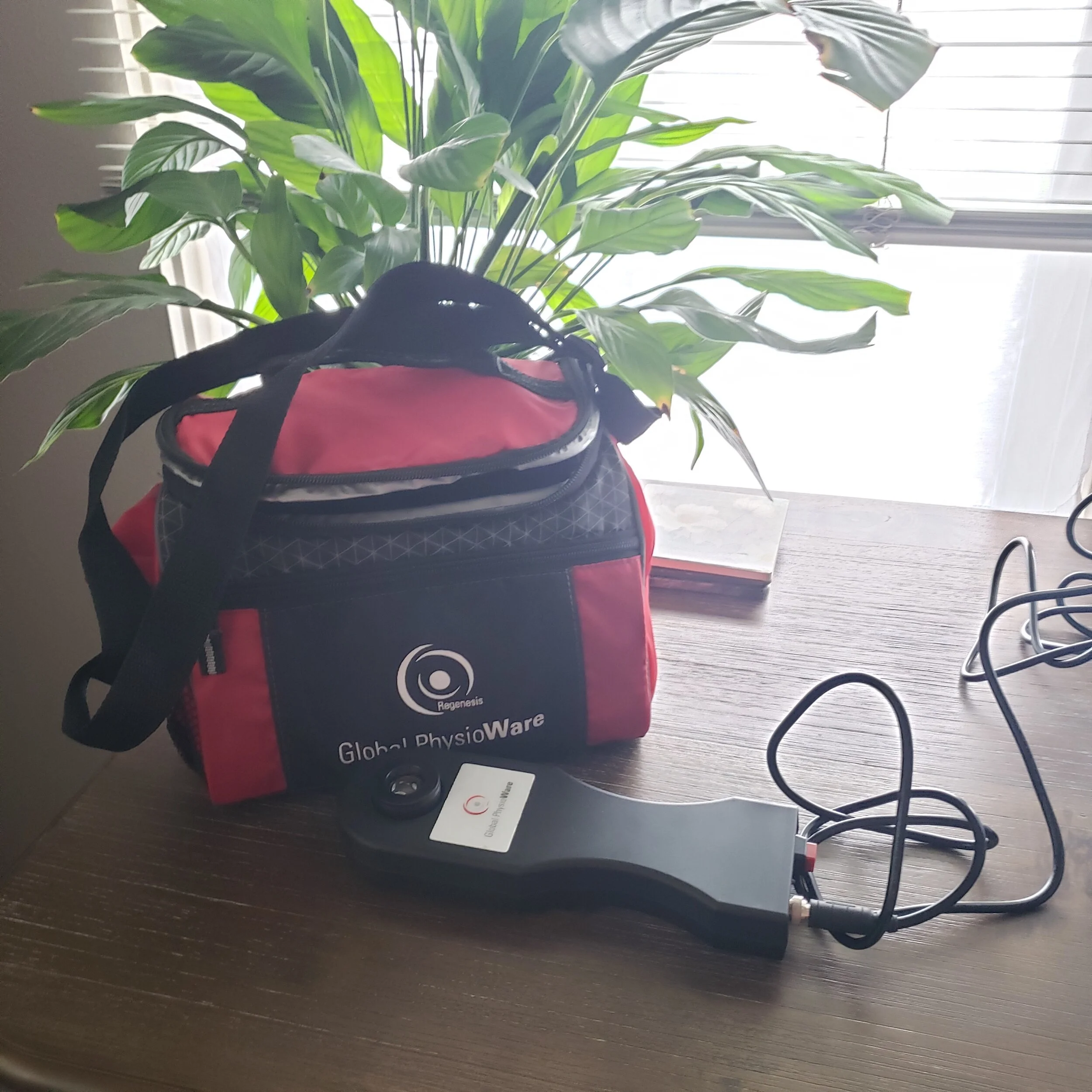
PHOTONIC STIMULATOR
Low level laser therapy (LLLT) is the application of light, usually a low power laser, to:
promote tissue regeneration
reduce inflammation
relieve both acute and chronic pain
reduce edema
promote healing of wounds, deeper tissue and nerves
prevent tissue damage
The use of low levels of visible or near-infrared (NIR) light has been known for almost 40 years, since the invention of lasers.
LLLT is often referred to as phototherapy, photon therapy or as photobiomodulation (which is the use of photons to modulate biological activity) and these terms can be used interchangeably.
HOW DOES LLLT WORK?
The mechanisms by which LLLT works is discussed in this document by Michael Hamblin and in the following video.
WHAT KIND OF LLLT RESEARCH HAS BEEN DONE?
Much of the early work, and indeed, much of the available data on light therapies, is based on laser light. In recent years, LEDs have become a popular choice for delivering light therapy based on safety, cost, and large area of coverage. A number of prominent researchers have examined the question of whether there is a clinical difference in light sources. They have concluded that source of light is not as important as wavelength, energy dose and frequency.
Since 1967 over 100 Phase III, randomized, double-blind, placebo-controlled clinical trials (RCTs) have been published and supported by over 1,000 laboratory studies investigating the primary mechanisms and the cascade of secondary effects that contribute to a range of local tissue and systemic effects. Over 3,000 studies have been completed in the use of LLLT and with the increasing interest in this technology, many more studies continue to be conducted.
*Please note: At this time, Northwest Skyline does not bill insurance or submit claims.